Defend the ICC
Inclo National Human Rights organizations call on States to protect international rule of law against united states attack. Joint statement.

Inclo National Human Rights organizations call on States to protect international rule of law against united states attack. Joint statement.
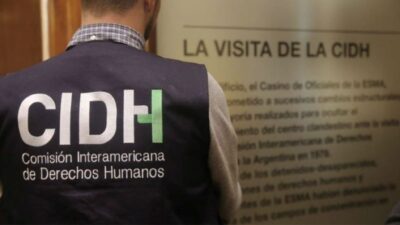
We, the undersigned individuals and organizations, express our concern over the campaign against Andrea Pochak and the efforts to undermine the Inter-American Human Rights System.
Statement by Surgentes, CELS, Dejusticia, Article 19, and WOLA during the Interactive Dialogue with the Independent International Mission on the Bolivarian Republic of Venezuela at the United Nations.
The justice of the Superior Court of Justice of Misiones was removed from her post through a political operation that denied her even the opportunity to defend herself.
From March 9 to 13, CELS will participate in various forums of the Inter-American Human Rights System and the United Nations, where we will present concerns regarding these issues and how they currently impact human rights in the region and in Argentina.
As human rights organizations in Latin America, we condemn the United States’ military attack against multiple targets in Venezuela on January 3, 2026. This armed aggression openly violates international law and sets a dangerous precedent throughout the region. We further express our concern about the grave human rights situation in Venezuela and underscore the obligation to respect these rights.
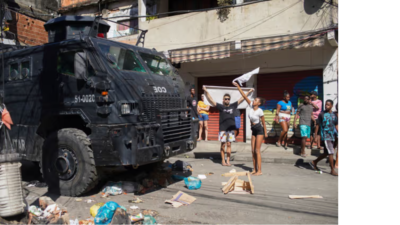
In a regional webinar, various specialists discussed the current situation in the region in light of the United States’ advancing military intervention policies.
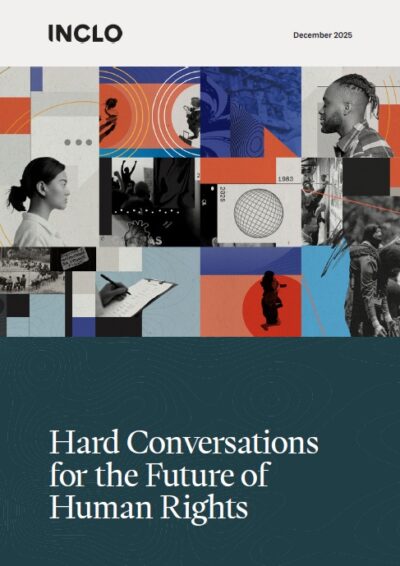
In a series of powerful Q&As, five human rights leaders dissect the legitimacy, effectiveness and funding problems facing our movement, and propose transformative responses. They agree on one thing: “business as usual” is impossible. This new report by INCLO expands on the most pressing issues that arose during the network’s annual meeting.
The Committee against Torture warned of an increase of reports of torture, inhumane conditions in prisons and police stations, and the disproportionate use of force during protests. In its observations on Argentina, it also expressed concern about the situation of women, adolescents, and migrants, and called on the State to adopt a zero-tolerance policy on torture, urgent reforms, and effective guarantees to prevent and punish ill-treatment.
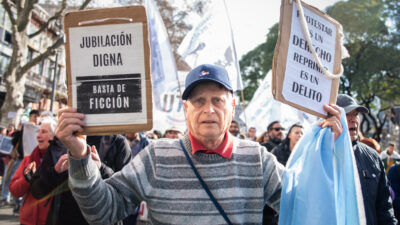
At the hearing before the IACHR, we spoke about the current Argentine fiscal framework, which places the burden of fiscal balance on impoverished sectors, while the government reduces taxes on the wealthiest sectors and expands benefits for large companies. Far from guaranteeing rights, fiscal policy is reinforcing inequality.
We were in Brazil at the UN conference where nearly 200 countries discussed agreements against climate change and its impacts. We argued that the energy transition must be carried out with justice and respect for human rights: without repression, with respect for the right to land, health, food, and sovereignty.
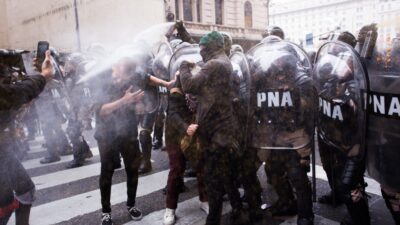
Despite a rise in complaints, the Argentine government dismissed evidence of harassment, threats, and attacks that undermine the right to expression. The Inter-American Commission on Human Rights (IACHR) warned of a troubling pattern and emphasized that public officials have a responsibility not to generate risks for individuals through their statements.
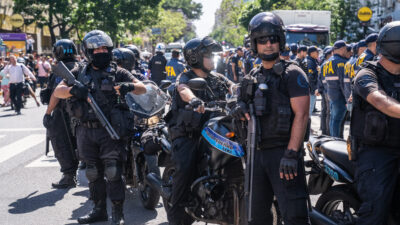
The UN Committee Against Torture understands that Argentina is experiencing a narrowing of civic space. It also notes that prior to this review, nine UN special procedures warned, among other rights violations, about the disproportionate use of force, less lethal weapons, and arbitrary detentions. The government dismissed the evidence.
Together with various social and human rights organizations, we submitted a series of shadow reports on state practices that violate human rights in the country.
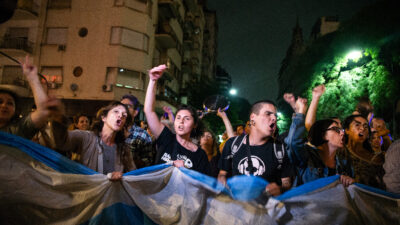
These issues were the focus of the debates we proposed in New York during the activities of the Third Committee of #UNGA80
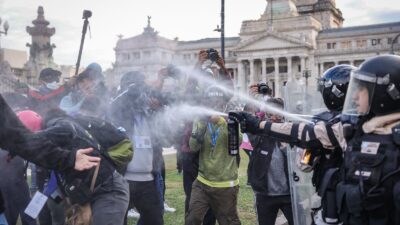
The hearing will be held on November 19 in the United States. It was convened following a request from a group of journalistic, union, and human rights organizations for the State to stop attacks on media workers and critical voices.
More than twenty human rights organizations from Latin America gathered in Buenos Aires for three days. We sought to coordinate collective actions to respond to the authoritarian and unequal present, as well as to build strategies for the future of the movement.
Hundreds of international human rights organizations, activist collectives, national organizations from different countries, memory experts, genocide researchers, survivors of extermination camps, and human rights defenders have issued an urgent call to the UN Special Rapporteur on Truth, Justice and Reparation.
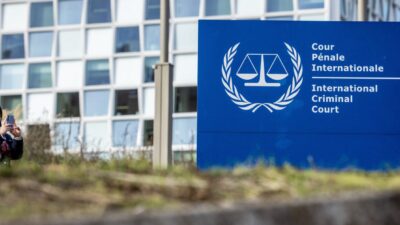
UN resolutions and rulings are documenting and denouncing in real time the crimes taking place in Gaza. Yet UN action is blocked by the veto of global powers—revealing both its necessity and its limits in the face of the massacre.
More than twenty regional and global organizations urge the OAS to condemn the new legislation as a democratic setback. We, in turn, call on the Trump administration not to support these measures and on the Bukele administration to repeal the law in order to comply with its international obligations.

Deterioration in the right to protest and freedom of expression, rollback of memory policies, weakening of protections for LGBTIQ+ rights, austerity measures affecting pensioners, and a rise in child poverty, are among the critical issues the Commission warned about in its annual report. We summarize the Commission’s key findings.
During the 58th session of the Human Rights Council, CELS participated in two interactive dialogues with Special Rapporteurs to present on the current situation in Argentina.
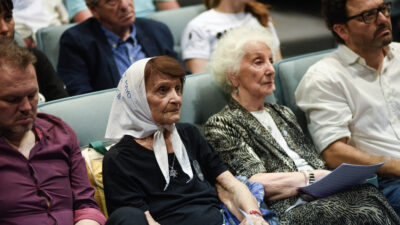
The representative from the La Libertad Avanza administration claimed poverty is decreasing but could not provide any specifics regarding social policies for children and adolescents. Nor did he address the provision of medical supplies to guarantee sexual and reproductive health. Additionally, he denied the existence of gender-based violence. During the hearing on memory policies, he attacked human rights organizations, accusing them of seeking revenge for the last military dictatorship.
On Thursday November 14, Argentina will face three hearings where various social movements, human rights organizations and unions will present evidence of serious setbacks in public policies. The key issues raised will be memory, truth, and justice; prevention, punishment, and eradication of gender-based violence; and social and food policies.
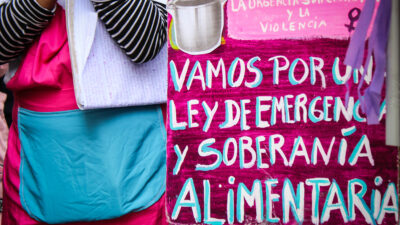
This is what the UN Committee on the Rights of the Child said in its evaluation of Argentina. The Committee expressed concern about the official decision not to distribute food and funds to soup kitchens and community spaces. It also criticized the increase in child poverty, the repression of protests and the bill to lower the age of criminal responsibility.
Human rights organizations call on Venezuelan authorities to respect the rights to protest and freedom of expression. It is essential to find peaceful solutions to the crisis that strengthen democracy in the region.
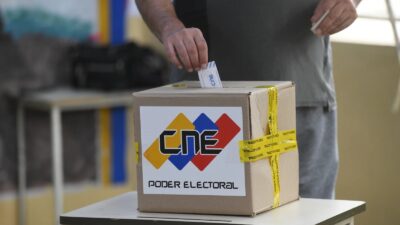
On July 28, Venezuelans participated massively and peacefully in the presidential elections, demonstrating an inspiring commitment to democratic principles. This occurred despite the fact that the electoral process was severely marred by human rights violations and irregularities. The undersigned international organizations condemn the lack of transparency in the announced results.
On a new tour in Europe, President Javier Milei will visit Hamburg and Berlin this weekend. Together with the German organization Misereor, we are publishing this report in Spanish and German on the concrete risks to human rights posed by the measures of the La Libertad Avanza government.
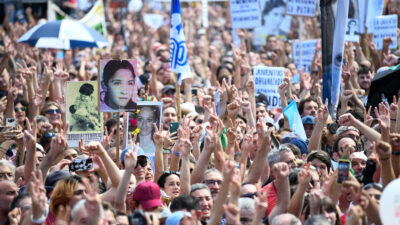
Published in German on the Heinrich Böll Stiftung website.
We participated in a consultative opinion hearing of the Inter-American Court of Human Rights on climate emergency to orally present an amicus curiae prepared alongside other organizations. Developing fiscal policy standards is essential to addressing the consequences of climate change.
The endorsing INCLO member organizations come together to express grave concern about civil liberties infringements occurring in various countries across the world in connection with the war in Gaza.
The denouncement was made during the 55th session of the Human Rights Council in Geneva, Switzerland. We spoke with special rapporteurs about how the government’s economic and social policies degrade the living conditions of the majority of Argentines.
We sent a statement to CERD expressing our concern about the closure of the INADI, the entity in charge of the implementation of Argentina’s international commitments on racial discrimination, and about the statements made by different authorities about this.
Given the persecution of human rights defenders and the expulsion of United Nations mechanisms, we take a stance together with other civil society organizations about this serious precedent in the region.
Alongside over 230 organizations, CELS signed a document expressing alarm over the reactivation of a law that infringes upon the right to freedom of association, risking the militarization of civic space within Venezuelan society.
We endorsed a note to international organizations signed by more than 185 civil society organizations calling for an immediate ceasefire by Israel in Gaza, as well as urgent humanitarian measures.
CELS and the INECIP submitted a joint report to the Inter-American Court of Human Rights to help develop legal standards to guide the design and implementation of State regulations to protect human rights in the production and marketing of firearms.
Rights organizations and representatives of indigenous communities highlight an increase in violence and structural racism by the state, denial of access to territory, lack of prior consultation and the critical situation in the province of Jujuy.
The national elections on June 25 were suspended by the courts. Almost two hundred organizations urge the State of Guatemala to take the necessary actions to ensure the integrity of the electoral process.
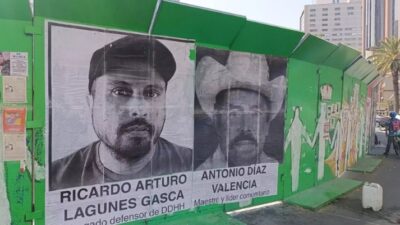
The complaint was filed jointly with their families and organizations from Mexico and Luxembourg. We requested that urgent and necessary measures be taken in the search for lawyer Ricardo Lagunes Gasca and Antonio Díaz Valencia, who have not been heard from since mid-January. They disappeared after a community assembly regarding the Ternium company’s failure to make payments to the community for its mining activity.
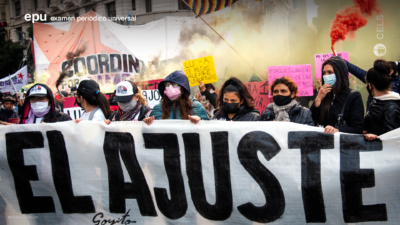
Argentina will be reviewed in the United Nations Human Rights Council on Monday, January 23. It will have to report to its peers on compliance with its international commitments on human rights matters. CELS, along with other organizations, produced reports as prior contributions for the assessment and recommendations to be produced by this mechanism. We will also be present at the session in Geneva.
On October 28 we took part in the thematic hearing as members of the LGBTI+ Litigators of the Americas Network alongside other organizations from the region. We put in an urgent call for reform of Argentina’s drug law and repeal of the misdemeanor codes that allow the criminalization of sex trafficking in public spaces.
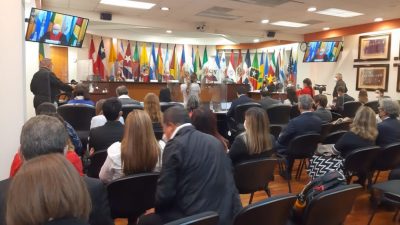
The Inter-American Court of Human Rights is reviewing the lawsuit filed by the “José Alvear Restrepo” Lawyers Collective Corporation (CAJAR) for the illegal intelligence work, threats and persecution suffered by its members over the past 30 years. The case represents an opportunity to sanction illegal and arbitrary intelligence actions and practices that States deploy against social organizations and human rights activists and demonstrates the need for clear rules to regulate and control intelligence activities.
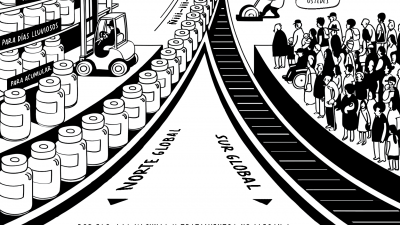
Germany, Switzerland, UK, and US Called to Account for Not Supporting a Comprehensive Waiver of Intellectual Property and Mandating Pharmaceuticals Transfer Technology.
Together with other human rights organizations, in this session we worked on various security and human rights issues.
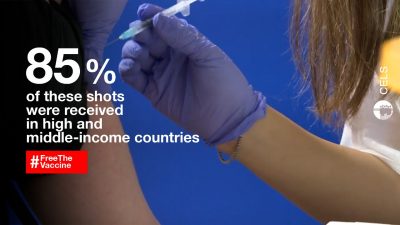
The economic perspective that has been imposed on accessing life-saving technology faces us with a new global division between vaccinated and unvaccinated countries. A waiver on intellectual property could eliminate unequal access to vaccines and shortages.
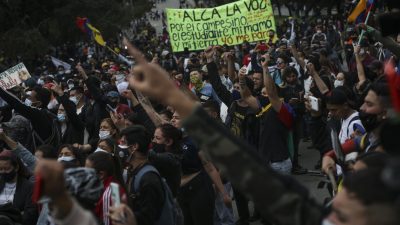
650 civil society organizations call for a thorough investigation of the repression of social protest and request an on-site visit by the IACHR and the creation of a group of experts.
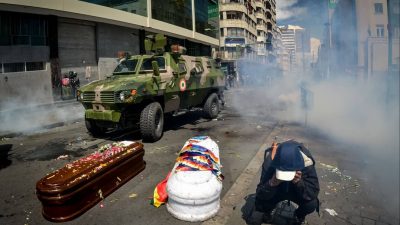
After receiving the document, the international organization urged Bolivia to investigate the violations committed by Jeanine Áñez’s facto government. These crimes remain unpunished to this day.

A global response that recognizes vaccines as a common good of humanity is urgent. The temporary suspension of patents is a mandatory step to massively produce the supplies necessary to face the pandemic in the world and guarantee the right to health and life in all countries.
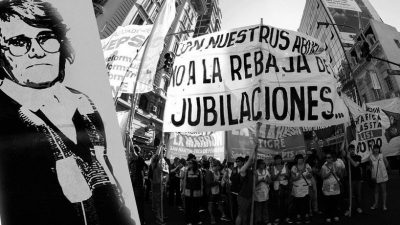
Seven human rights organizations are defending at the ICSID the end of privatized pensions in Argentina. Social security is a human right and pension funds are meant to ensure a decent life for people and not enriching companies.