The Federal Administrative Appeals Court has severely restricted the right to protest
Its ruling allows the Government to crack down on and persecute those who demonstrate in public spaces. The decision will be appealed to the Supreme Court.

Its ruling allows the Government to crack down on and persecute those who demonstrate in public spaces. The decision will be appealed to the Supreme Court.
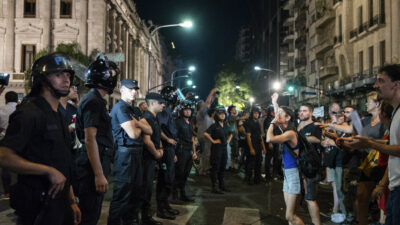
In its ruling, the court held that the protocol violates constitutional rights. The decision follows a collective constitutional action (amparo) brought by CELS and joined by human rights, social, trade union, and feminist organizations, as well as individuals directly affected by repression.
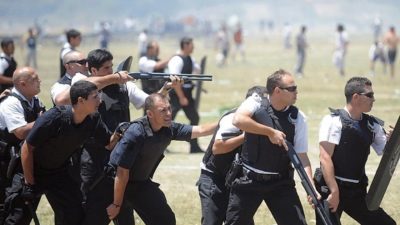
The court overturned the dismissals, finding that there were significant delays in the judicial proceedings and that judges previously in charge of the case failed to carry out key evidentiary measures needed to clarify what occurred during the 2010 repression.
Judge Servini determined that he was the officer who fired the shot that endangered the photographer’s life on March 12 in front of the National Congress. The attack occurred during the crackdown ordered by Minister Bullrich as part of the implementation of the anti-protest protocol.
Joint statement from the organizations that make up the INCLO network.
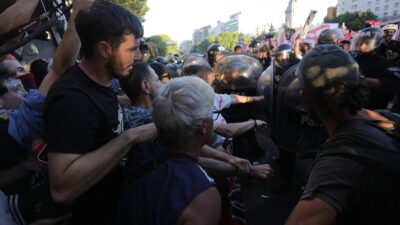
In a letter addressed to the national government, nine special rapporteurs expressed their concern about the excessive use of force, arbitrary detentions, violence against the elderly and journalists, and attacks on judicial independence. They called on the Argentine State to comply with international standards.
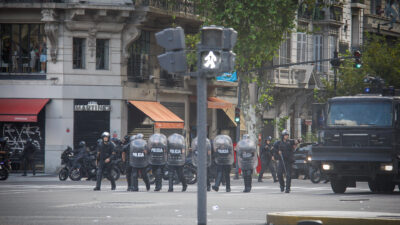
More than 35 international and regional organizations call on the argentine government to comply with its international obligations on the right to protest and to investigate the police action on March 12. They also express their solidarity with the demand of decent pensions and concern about the rise of authoritarianism in Argentina.
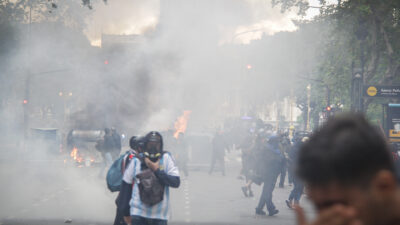
The mobilization outside Congress demanding a pension increase on March 12 was violently repressed in a large-scale operation involving five security forces. Security Minister Patricia Bullrich had warned in advance that there would be repression. Tear gas, rubber bullets, and arbitrary detentions marked a day in which the government justified its actions by invoking the narrative of an “attempted coup.”
The repression on March 12 left a brutal toll: 114 arbitrary arrests, dozens injured, journalists attacked, and Pablo Grillo on the brink of death. The Argentine government used the idea of a “coup” as a pretext to justify an escalation of violence. One month after those events, there is not a single piece of evidence of an attack on the constitutional order, but there is ample evidence of a deliberate policy of punishing social protest.
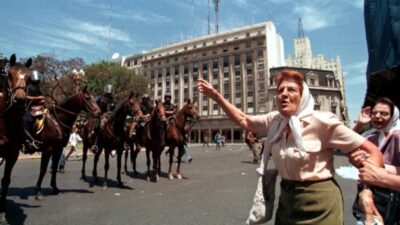
The Argentine State withdrew its previous acknowledgment of responsibility for the repression carried out in 2001, which it had accepted in 2023. Officials declined to answer questions regarding the State’s new assessment of the events that occurred in December 2001. The events of December 19 and 20, 2001, were an extreme manifestation of state violence following the unjustified declaration of a State of Siege.
A review of United Nations standards.

The case was heard in a public hearing nearly 20 years after the Chilean journalist’s death, caused by tear gas used by Ecuadorian police during a protest crackdown.
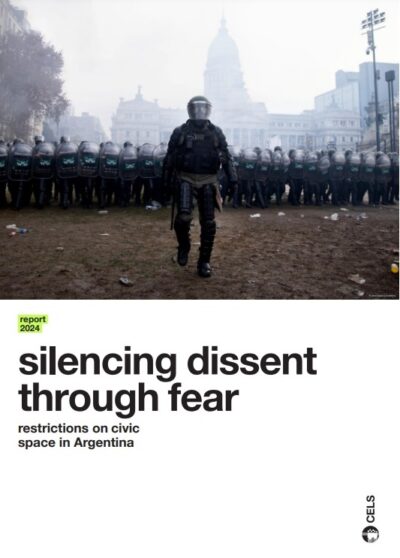
Since the beginning of Milei’s government, it has become increasingly difficult to participate in public spaces and the digital sphere, to express oneself, or to influence debates and public policies without facing various risks. In this publication, we present the main measures taken over the past 10 months, which have raised concerns both nationally and internationally.
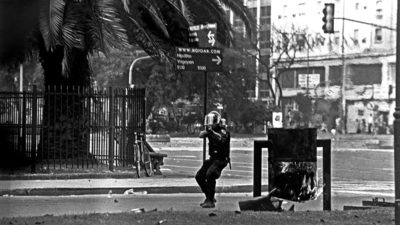
The Supreme Court of Justice of Argentina —in a ruling dated September 17, 2024 — upheld the convictions of Enrique Mathov and Rubén Santos, who ordered the repression of protestors on December 20, 2001. This decision sets a unique precedent in Argentina and the region, confirming that political leaders bear criminal responsibility for the consequences of their orders to repress.
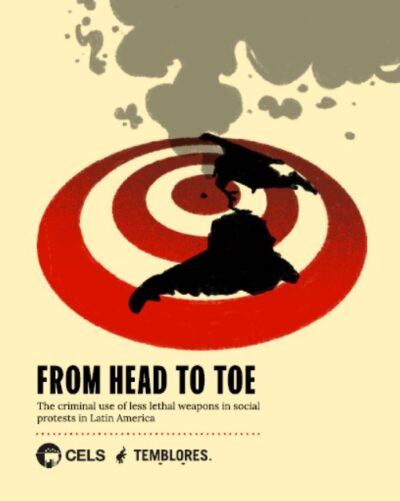
From Temblores and CELS we prepared this special report that includes key information, data, complementary material and recommendations. The objective is to contribute to the debate about how and when they can be used.
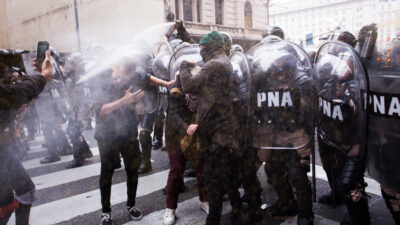
During a public hearing requested by human rights, labor, and social organizations, representatives from the Inter-American Commission on Human Rights (IACHR) and the United Nations expressed their concerns about the use of force, arbitrary detentions, the Ministry of Security’s protocol, and the stigmatization of demonstrators and social organizations.
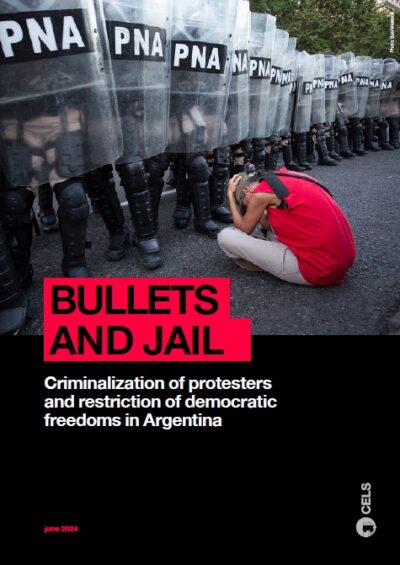
In the past six months, protesting in Argentina has become a crime. Those who take to the streets to demonstrate risk being victims of repression, arbitrary detentions, imprisonment, and serious charges. Police violence is not investigated. In Buenos Aires alone, 665 people have suffered injuries—including vision loss—and 80 people have been detained. We have prepared this special report analyzing the various policies and strategies of Milei’s government to discourage, obstruct, and harass those who want to protest in the streets.
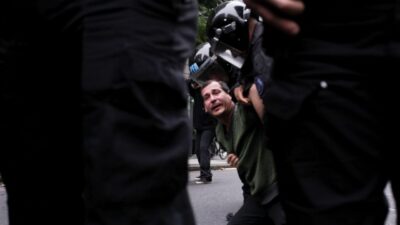
This came after the repression of thislast week’s protest against the “Bases and Starting Points for the Freedom of Argentines” Bill in Congress. More than 30 people were arbitrarily detained and later accused by the prosecution of serious crimes against democratic order, echoing the government’s accusations of terrorism and an attempt to overthrow the government.
Together with human rights defender organizations, we asked that the Inter-American Commission on Human Rights (IACHR) take precautionary measures in favor of press workers, human rights defenders, and protesters. We expressed our deep concern about the recurrence of disproportionate security operations that result in people being detained and seriously injured.
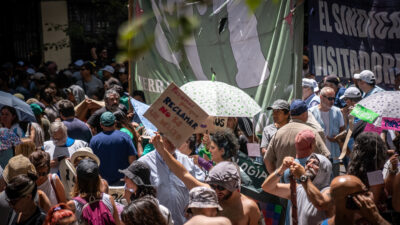
The special rapporteurs expressed their concern over the Ministry of Security resolution and proposed legal reforms criminalizing protest. They called on the Argentine State to comply with international human rights standards.
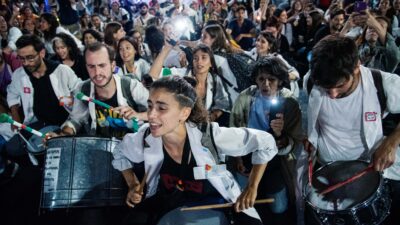
Jointly with trade unions, social movements, human rights organizations, and entities focused on social, trade, environmental, indigenous, migrant, transfeminist, religious, children’s, student, and political causes, we have requested international mechanisms to demand the Argentine State stop the implementation of new regulations that seek to restrict and repress public protest. These submissions were also supported by 15,000 individual signatures.
With over 20 international and regional organizations we questioned the irregular and disproportionate use of these weapons by security forces and their serious consequences on health and human rights of people who exercise their right to protest.
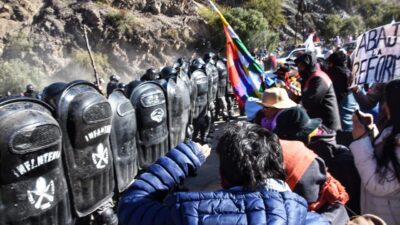
Mass mobilizations to protest for higher wages were further heightened by demonstrations against the constitutional reform proposed by the government of Jujuy. The government responded by quashing the demonstrations and criminalizing protesters, resulting in dozens of injured and arbitrary arrests. This new constitution passed in record time restricts the enjoyment of human rights and seeks to avoid social demonstration against the active expansion of mineral extractivism.
This week, human rights organizations submitted a letter to the Constituent Convention expressing our concern about the proposed human rights setbacks in the province’s constitutional reform. The process has been conducted with unreasonably tight deadlines, lacking the necessary participation and debate, and raising concerns about its legality and legitimacy. This reform will have a detrimental impact on the right to protest, among others.
In Latin America there have been numerous violations of the rights of women and LGBT+ people in the context of protests, which affect their ability to exercise their right to expression, assembly and demonstration, as well as the exercise of their role as defenders of human rights.
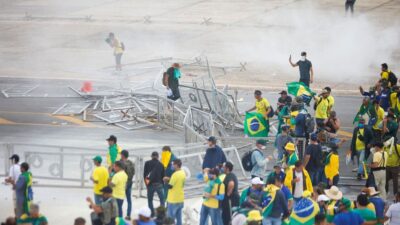
The move to action by these groups is a call for reflection and urgent action. What happens when democracies provide the tools and possibilities for some groups to seek to limit or do away with those same democracies? And what tools do we have to defend democracy in the face of attacks like this one?
On July 25-27 we held an event in Buenos Aires to debate current reality in our region with colleagues from Brazil, Colombia, Chile, Honduras, Ecuador and Mexico.
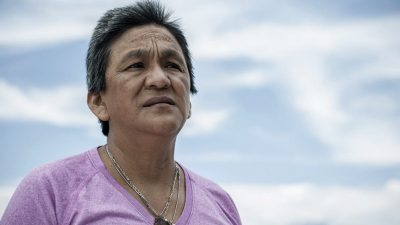
We submitted our complaint against the Argentine State for the process of harassment and criminalization that Sala and the Tupac Amaru organization have suffered since her arrest in 2016. Government policy in Jujuy reaches much further, seeking to demobilize and limit the right to protest.
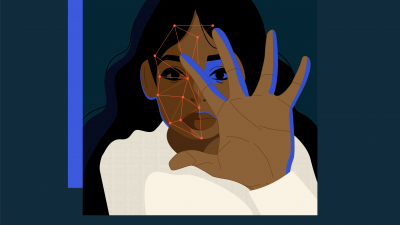
The publication is a compilation of stories showing how the use of FRT impacts the rights and everyday lives of citizens across 13 countries in the Americas, Africa, Europe, Asia and Australia.
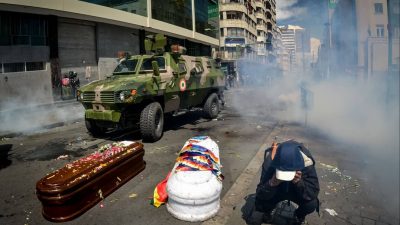
Nine months after the institutional breakdown in Bolivia, we denounced the de facto government and its impunity for extrajudicial executions and other grave human rights violations.

CELS endorses letter addressed to the UN in which family members of victims of racial police violence and human rights organizations worldwide ask for independent inquiries.

The protests erupted in response to the killing of George Floyd by police officers in Minneapolis on Monday. INCLO condemns the disproportionate use of force against protesters and calls on police to act in accordance with international standards on the use of force and the management of assemblies.
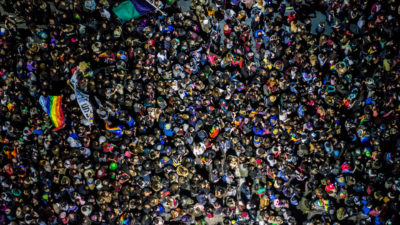
Organizations from across the Americas warn the Human Rights Committee about the risks of regressive standards of protection on the right to protest.
Since the beginning of the demonstrations in Chile, over 2800 protesters have been injured, among which 1180 by rubber bullets and pellets.
The mission visited Santiago, Valparaíso and Temuco to meet with human rights and civil society organizations and other groups, as well as state institutions. The initial result is a report that provides a survey of human rights violations and recommendations for the Chilean state.
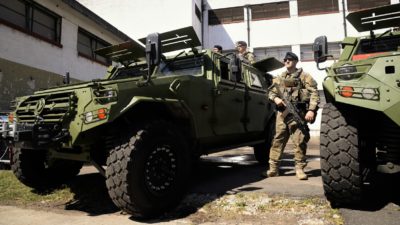
On the pretext of the upcoming G20 meeting in Buenos Aires, the government is promoting the notion of “internal enemies” and trying to justify greater levels of persecution of political dissidence and repression and criminalization of protest.
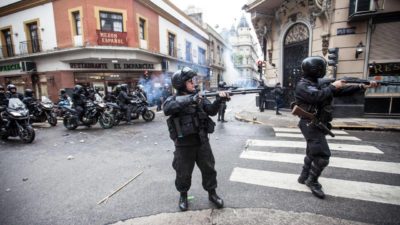
While repressing the October 24th protest, the police detained social and political activists. In addition, the national government threatened to deport the migrants who were detained.
Argentina is consolidating rollbacks in some key areas of social contestation, with cases of violent police responses to public assemblies, increased judicial persecution of activists and organisers, and a political discourse supporting them both.
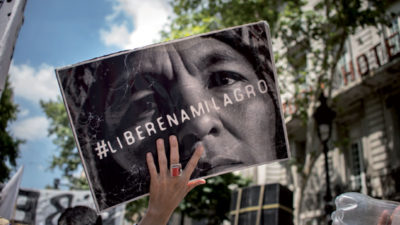
In a unanimous ruling, the Argentine Supreme Court enjoined the judiciary of Jujuy province to urgently adopt the measures needed to safeguard the life, personal integrity and health of Milagro Sala, as ordered by the Inter-American Court of Human Rights.
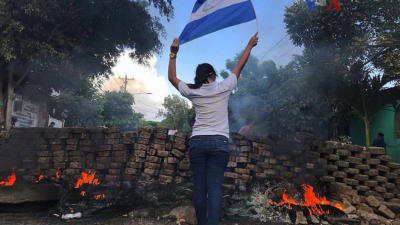
The repression of social protest carried out by Nicaraguan security forces and para-police groups has left at least 273 people dead and 1800 injured in the last three months. What started with demonstrations against a pension reform has ballooned into a human rights crisis.
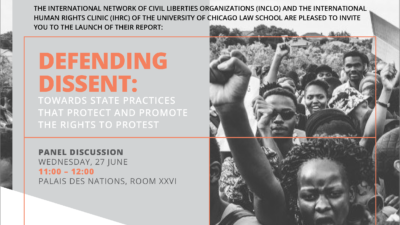
Joint research by the International Network of Civil Liberties Organizations (INCLO) and the International Human Rights Clinic of the University of Chicago Law School (IHRC) offers practical guidance on how law enforcement can protect human rights when policing protests.
“Enough is Enough”: 95 civil society organizations call on the UN Human Rights Council to urgently launch a Commission of Inquiry to investigate violence against protesters in Palestine.
The SiPreBA media workers trade union and CELS published a report documenting cases of people injured, detained and charged with crimes while documenting protests in 2017.
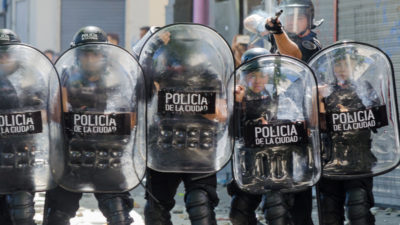
Seven people remain detained over incidents related to the protests of December 14 and 18, in the framework of criminal cases filed at the federal level. These prolonged detentions based on weak arguments imply very worrisome processes of criminalization. This situation also worsens the deterioration of conditions in which criminal processes unfold, hindering the right to defense.
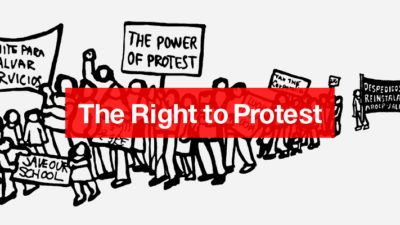
A fresh round of content published on our Right to Protest platform covers ground across the world: from Kenya, Hungary and Australia to Peru, Canada and Argentina. The threats to this fundamental right can be seen on the street, with violent repressions, and in terms of state surveillance and judicial persecution. This online project was developed by openDemocracy, CELS and INCLO, with support from the ACLU.
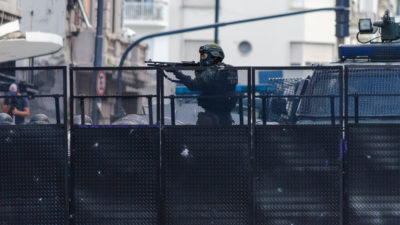
A violent and intimidating police operation. Arbitrary detentions. Federal criminal charges. Political support for police violence. No specific legal framework for regulating the intervention of federal security forces in protests. Threats by political authorities, violent actions by security forces and their judicial validation – all of these are ways of limiting the right to protest.
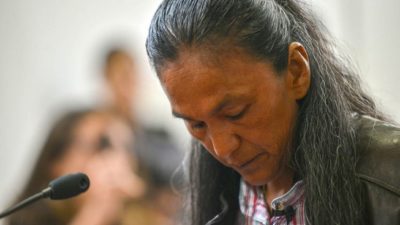
The Inter-American Commission on Human Rights (IACHR) indicated that “the conditions of extreme gravity, urgency and risk of irreparable damage” set forth in the American Convention on Human Rights have been met.
At a working meeting convened by the Inter-American Commission on Human Rights (IACHR), representatives of Amnesty International and CELS warned that the risks she runs have intensified.
We echo the request of Santiago Maldonado’s family to wait until the proper identification procedures have been carried out. The Argentine state must fulfill its obligation to guarantee an investigation that leads to truth and justice.
We are unveiling an online platform that brings together original articles, videos and interviews on the right to protest, at a time when demonstrations are proliferating worldwide and states often respond with violence. This project was developed by openDemocracy, CELS and INCLO, with support from the ACLU.